Joint Sealants and Joint Sealing
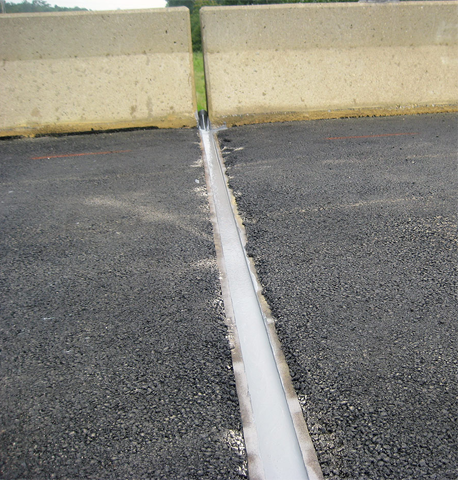
Joint Sealants and Joint Sealing Systems
Joint sealants are used to seal joints and openings (gaps) between two or more substrates, and are a critical component for building design and construction. The main purpose of sealants is to prevent air, water, and other environmental elements from entering or exiting a structure while permitting limited movement of the substrates. Specialty sealants are used in special applications, such as for fire stops, electrical or thermal insulation, and aircraft applications.
The tightness of buildings and hence the role of sealants becomes more and more important in order to achieve low energy ratings for buildings. Without proper joint sealing it would be impossible to insulate a building sufficiently. Sikaflex and Sikasil elastic joint sealants are high-performance products that provide the necessary tightness under any environmental and load conditions. Sika’s elastic joint sealants are able to accommodate thermal and structural movements without breaking or loosing the adhesion.
Selection of Sealants
The proper application of a sealant involves not only choosing a material with appropriate physical and chemical properties, but also having a good understanding of joint design, substrates to be sealed, performance needed, and the economic costs involved in the installation and maintenance of a joint sealant.
Typical considerations for selecting a sealant type for use in the construction industry are::
Joint Design :The specifics of a joint design must match up with a sealant's movement capabilities for the installed conditions. The practicality of installation of the sealant and other joint elements and the desired aesthetic appearance also need to be considered.
Physical and Chemical Properties : Properties of the sealant such as, modulus of elasticity, its stress/strain recovery characteristics, tear strength, and fatigue resistance are all factors that influence sealant performance in a joint. The sealant polymeric type along with additives such as fillers and plasticizers will affect the performance of the product.
Durability Properties : The adhesion of a sealant to a specific substrate(s) and its aging characteristics as they relate to resistance to among others ultra-violet radiation, moisture, temperature, cyclic joint movement, movement during curing, and bio-degradation can profoundly influence the service life of the installed sealant.
Application/Installation Properties : Important considerations include the consistency of the sealant (pourable or gunnable), pot life and tooling time, tack free time, application temperature range, and low temperature "gunnability" (i.e. ability to be dispensed easily by sealant gun). Sealants used for interior applications, even in high-rise or light commercial structures, will have properties and needs different from those used in other applications, such as structural sealant glazing or exterior building facade seals.
Joint Location, Spacing, and Condition
- The location of joint openings must permit applicator access to install joint components and to properly tool the sealant
- The spacing of joints contributes to establishing joint width (wider spacing = wider joints)
- The substrate(s) for sealant adhesion must be sound and free of deleterious materials that would compromise adhesion.
- Window perimeters must provide a minimum 1/4; inch (6 mm) wide surface for the sealant to bond to
- At the butt joints of exposed aggregate precast concrete panels the aggregate must be deleted and a smooth concrete surface provided for sealant adhesion
- At every termination detail there must be adequate access and sufficient bonding area for sealant application